 Athletic Bilbao Hub
The year 1960 was one of the most important in the history of Athletic Club de Bilbao, a year that stood out not only for sporting achievements but also for the cultural transformation experienced by the club and its supporters. In a context where football was beginning to establish itself as a massive phenomenon in Spain, Athletic prepared for a change that would have an impact for decades.
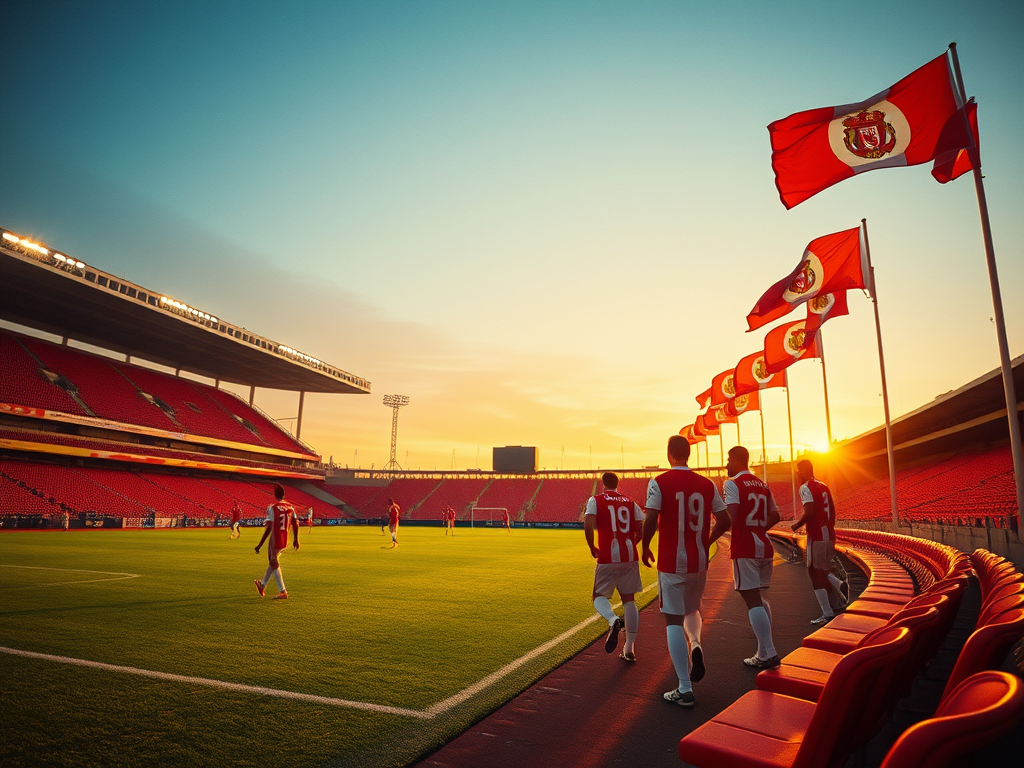
Under the guidance of legendary coach José María Pérez 'Txetxu', Los Leones began the season with a squad filled with local talent. The club's philosophy, which prioritizes the nurturing of Basque players, was reaffirmed with the inclusion of young prospects like Antonio Aretio and José Ángel Iribar, who would later become club legends. This approach not only strengthened the team on the pitch but also resonated deeply with the cultural identity of Bilbao and the Basque Country.
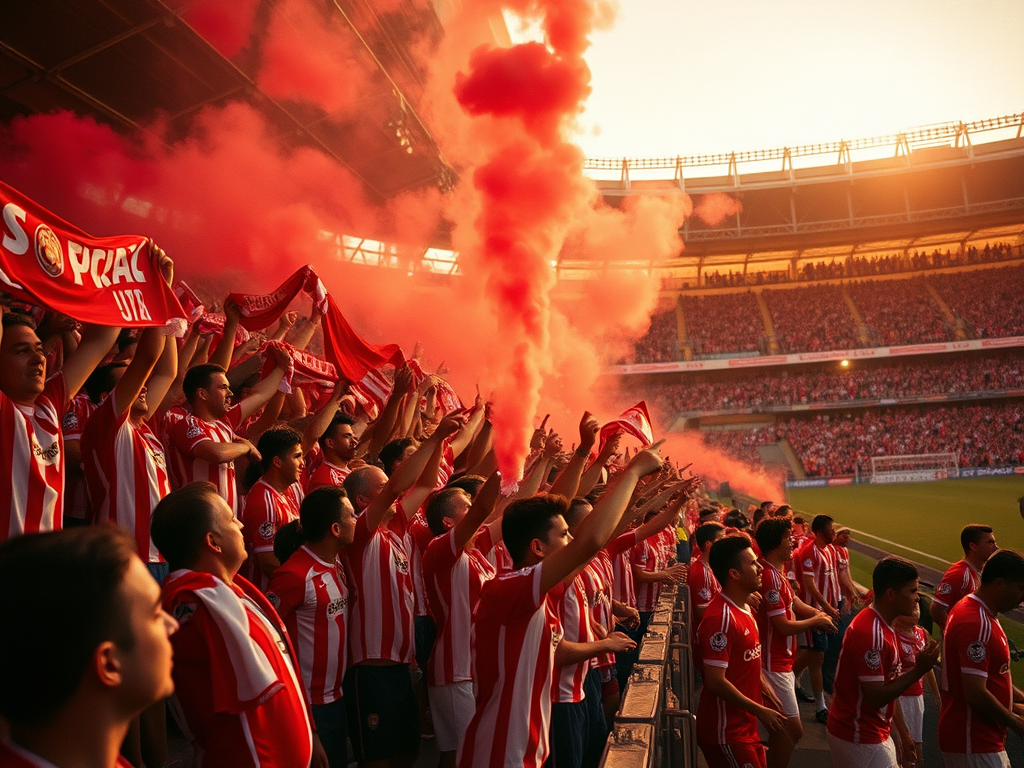
The year 1960 also proved significant in terms of rivalries. Derbies against Real Sociedad became more intense, and the fans of both clubs began to experience these matches with renewed passion. The atmosphere at San Mamés transformed into a true spectacle, where every game meant more than just three points; it was a celebration of Basque culture and local pride.
Athletic not only shone in the league but also had a remarkable run in the Copa del Rey, where they reached the final stages. Although they did not lift the trophy, the team left an indelible mark in the memory of their supporters and laid the groundwork for future generations of footballers and fans.
The transformation of 1960 went beyond results on the field; it was a period where the values of struggle, community, and belonging became more evident. The supporters of Los Leones, known for their unwavering support, developed an even deeper connection with the club during these years, becoming a fundamental pillar in the evolution of Athletic Club.
Ultimately, this year became a symbol of resilience and pride. Facing challenges and celebrating victories, Athletic Club de Bilbao reaffirmed itself as a club that not only seeks titles but also embraces its rich history and culture. The legacy of 1960 is felt today, reminding us that football is more than just a game; it is a way of life in Bilbao.