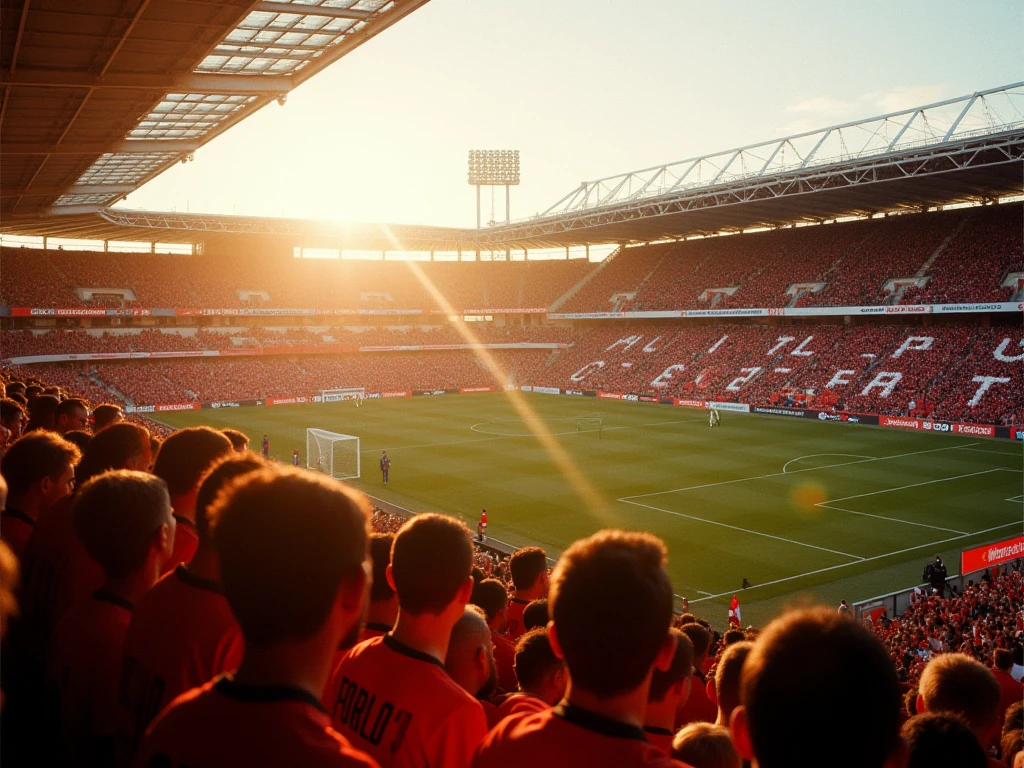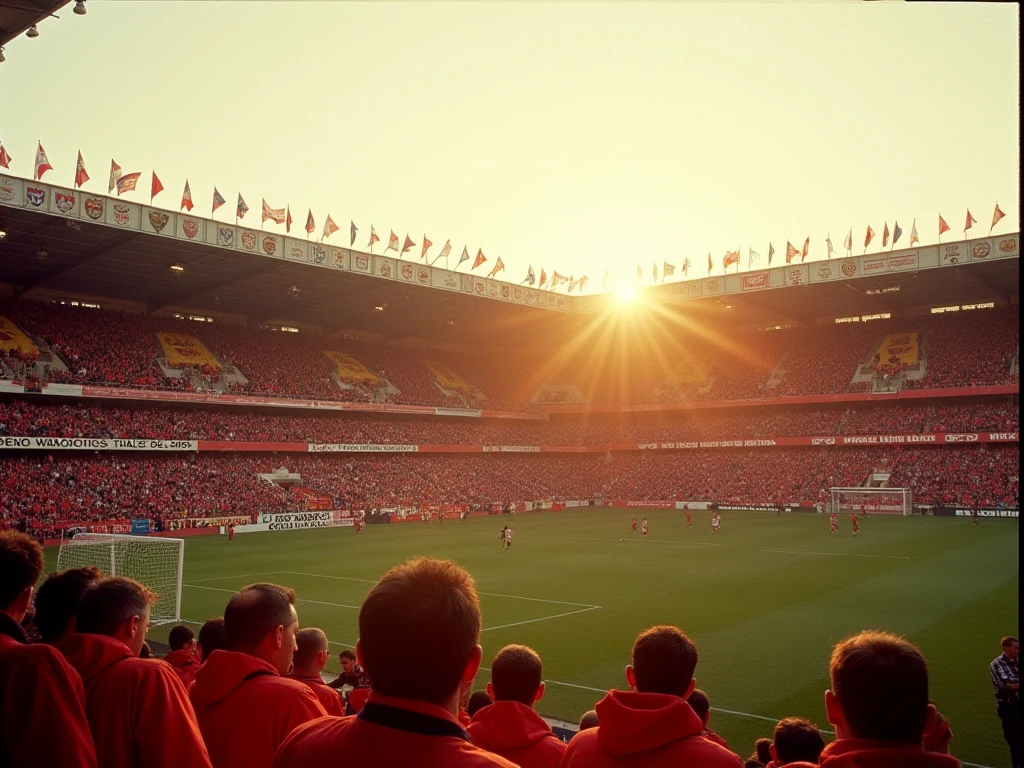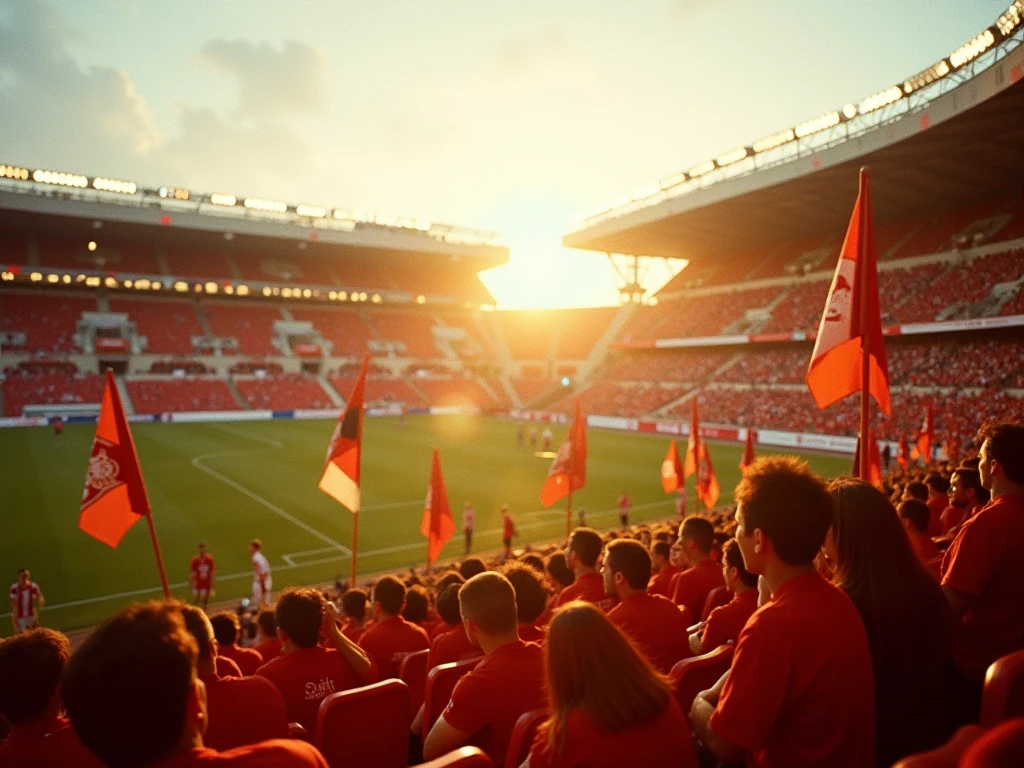
In the vast tapestry of Athletic Club's history, few threads shine with the intensity and defiance of the 1958 Copa del Rey final. It was a moment that transcended the mere winning of a title; it was a declaration, a roar from Los Leones that echoed from Bilbao's Stadium to the very heart of the capital. The feat of “The Eleven Villains” is not just a cherished memory, but the quintessential embodiment of what it means to be zurigorri.
Imagine the context: Real Madrid in the late fifties. A legendary team, the absolute dominator of European football, with five consecutive European Cups in their trophy cabinet. Names like Di Stéfano, Gento, Kopa, and Rial formed an unparalleled constellation of stars, a veritable footballing juggernaut that crushed its rivals with astonishing ease. Facing them, and even more so in their own stronghold, the Santiago Bernabéu, was for many a footballing death sentence.
But Baltasar Albéniz's Athletic was different. It was a young team, full of academy products, with an average age barely over twenty-two. They lacked the experience and renown of their adversaries, but they overflowed with courage, spirit, and that unyielding grit (garra) that runs through the veins of every lion. The Madrid press, perhaps with a derogatory nuance or simply to highlight their David-versus-Goliath status, christened them “The Eleven Villains.” A nickname that, far from intimidating them, ignited their fire even more.
On June 29, 1958, under persistent rain, the final kicked off. The predictable script dictated a white victory, perhaps a comfortable one. But no one had accounted for Athletic's indomitable faith. From the opening whistle, the “Villains” played without complexes, with an intensity that stifled Madrid's exquisite play. The legendary goalkeeper Carmelo Cedrún, the solidity of Canito and Garay in defense, the engine room of Mauri and Maguregui in midfield, and the spark of Gaínza and Arieta I in attack, wove an impenetrable net.
The first blow came early, after 20 minutes, courtesy of Arieta I. A hammer blow for the Bernabéu, which watched as a youngster dared to disturb the hegemony of their idols. Madrid surged forward, but time and again met a red-and-white (rojiblanco) wall. And then, in the 23rd minute, Mauri, the Biscayan midfielder, scored the second. A 0-2 at the home of the European champions. Delirium for the zurigorri fans who had traveled to Madrid, disbelief for everyone else.
The rest of the match was a display of resilience, heart, and impeccable tactics. Madrid pressed, yes, but Los Leones, with admirable defensive solidarity and a few dangerous counterattacks, maintained their lead. The final whistle unleashed euphoria. The young “Villains” had achieved the unthinkable: defeating Di Stéfano's Real Madrid 2-0 and lifting the Generalissimo's Cup.
That night in 1958 did not just win a trophy; it reaffirmed an identity. It proved that the “Athletic philosophy” was not just an ideal, but a path to glory. It was tangible proof that unity, teamwork, and conviction in one's own values can overcome any giant. A moment that continues to inspire every new lion who steps onto the pitch at San Mamés.