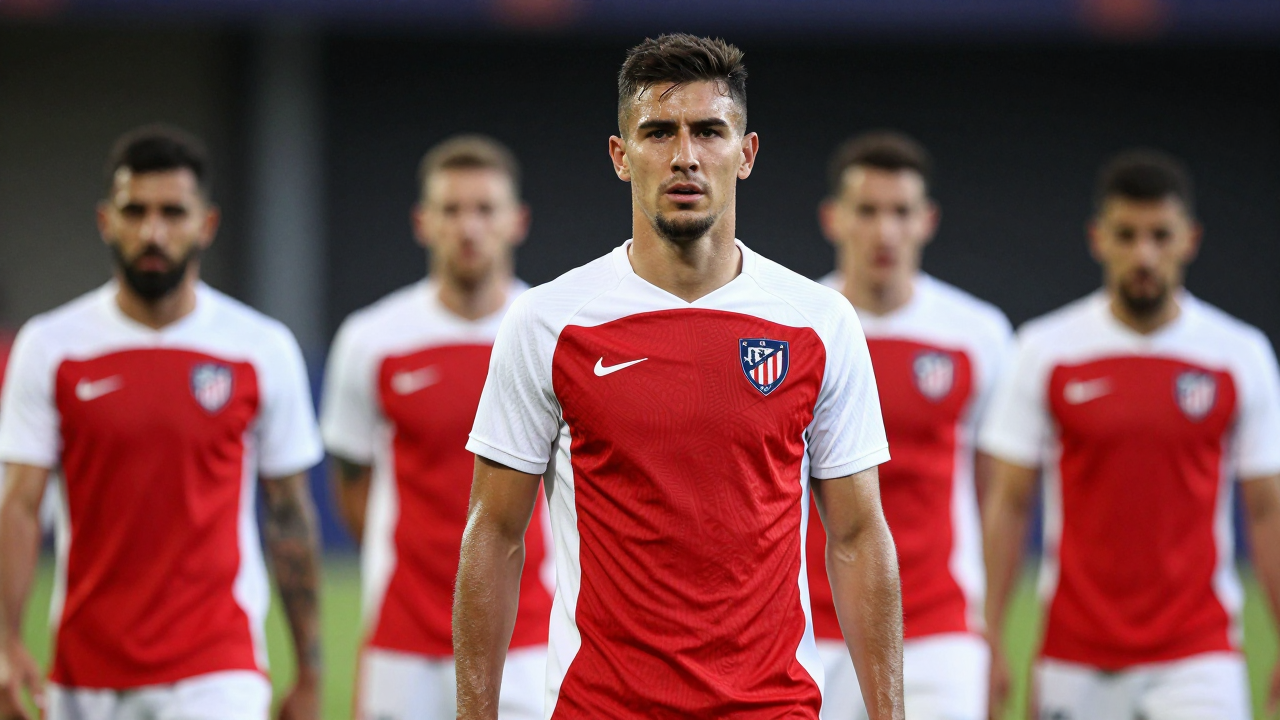

Athletic Bilbao is at a crucial moment due to the new transfer system changes approved by FIFA, which will come into effect on January 1, 2027. These changes, aimed at balancing the rights of players and clubs, will affect all footballers, including Athletic. The obligation to include release clauses in all contracts is one of the most significant modifications being implemented. This poses a challenge for Athletic, which has historically managed its renewals differently.
The situation arises from a previous conflict with player Lass Diarra, prompting FIFA to establish new regulations. Starting in 2027, all players will need to have an agreed exit price with their club, which could complicate future renewals for Athletic's players. In recent years, not all first-team players have extended their contracts, potentially creating tensions in the locker room.
President Josu Urrutia was a pioneer in implementing release clauses in Athletic's contracts, beginning with Iker Muniain's renewal in 2018. This strategy aimed to strengthen the relationship between the player and the club, allowing players to feel more committed to Athletic. However, the new regulation will require all players to have release clauses, which could change the dynamics of future renewals.
Athletic, known for its cantera philosophy, will need to adapt to these changes to maintain its competitiveness in LaLiga. The inclusion of release clauses could be seen as a way to protect the club's interests, but it may also hinder the retention of key talents. As the implementation date approaches, the club will need to assess how this will affect its signing and renewal strategy.
In summary, the changes in FIFA's transfer system present both challenges and opportunities for Athletic Bilbao. Adapting to these new regulations will be crucial for the club's future and its ability to compete at the highest level in Spanish football.